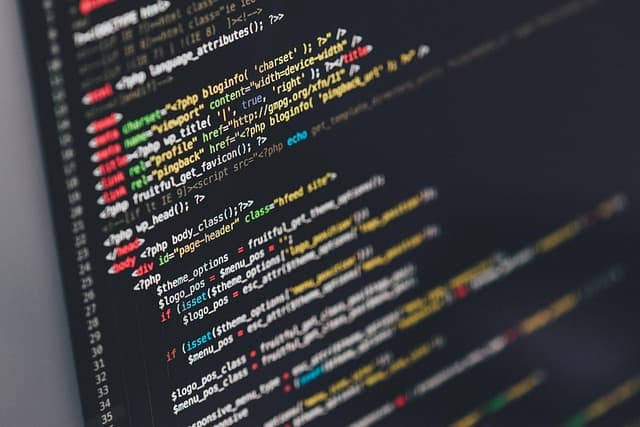
PHP is a programming language used on the server side when creating websites. In simple terms, it helps make websites “live” and interactive, responding to user actions and changing in real time.
Why PHP is needed
HTML pages created during website development are initially static. This means that they look the same for all users and cannot change depending on the situation. However, users often need not just static information, but updated data: currency rates, weather forecasts, page views, and much more.
This is where PHP comes in. It processes user requests on the server, prepares the desired result, and returns it to the browser. Thanks to this, the website can display exactly the information that is relevant at a specific moment in time. In other words, PHP “rebuilds” the page every time someone opens it.
When the browser accesses the site, the server runs a special PHP script that performs the necessary actions, such as retrieving data from the database, processing it, and preparing the final page. The user does not even see what is happening behind the scenes — they simply receive the result.
Where PHP is used
The main use of PHP is website development. It is ideal for developing a wide variety of web projects, such as:
- social networks;
- blogs and forums;
- online stores;
- online games and other web applications.
Many popular websites and content management systems (CMS) use PHP as their foundation, making it one of the most sought-after tools in web development.
How to get started with PHP
To try PHP in action, you can install a special software package on your computer that includes all the necessary tools. One of the most convenient options is OpenServer. It contains everything you need to get started: PHP itself, a web server, databases, and other useful utilities.